RisingStar
- Home
- About Us
- Products
- News
- Video
- Contact
- Send Inquiry
Search
- Home
- About Us
- Products
- News
- Video
- Contact
- Send Inquiry
RisingStar
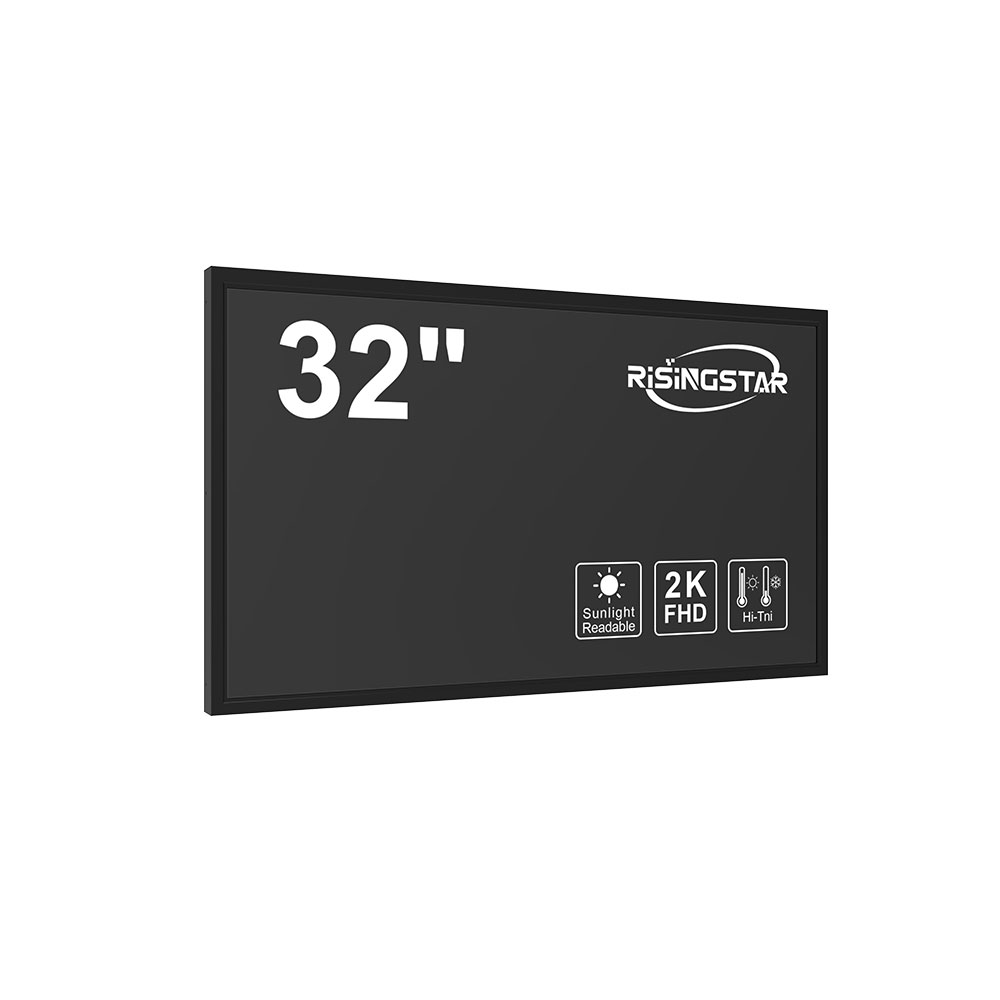
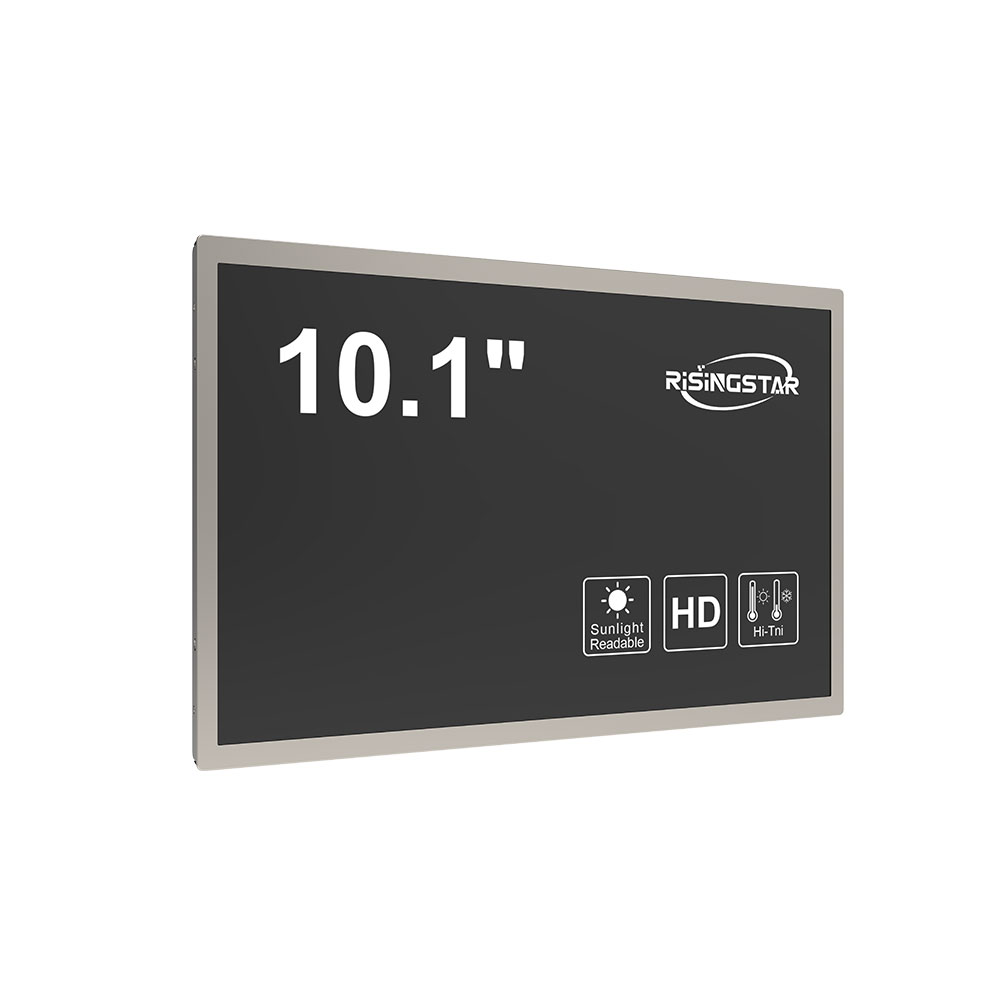
High-brightness sunlight-readable LCD screens are critical components in modern industrial, military, and outdoor environments where visibility under direct sunlight is essential. These displays are engineered to maintain clarity, contrast, and responsiveness even in extreme lighting conditions—such as those found on construction sites, military vehicles, marine vessels, or aviation cockpits. Unlike standard LCDs that often become unreadable in bright daylight due to glare and low peak brightness, sunlight-readable LCDs utilize advanced optical technologies to ensure reliable performance.
The key to their effectiveness lies in achieving high peak luminance—typically 5,000 to 10,000 nits or more—while maintaining energy efficiency and thermal stability. This level of brightness exceeds the typical 200–500 nits of consumer-grade displays. Industry leaders such as Eizo, LG Display, and Panasonic have developed specialized backlighting systems using LED arrays with optimized diffusers and polarizers to enhance light output without overheating. Some models incorporate ambient light sensors that automatically adjust brightness based on environmental conditions, conserving power during low-light operations while maximizing readability in direct sunlight.
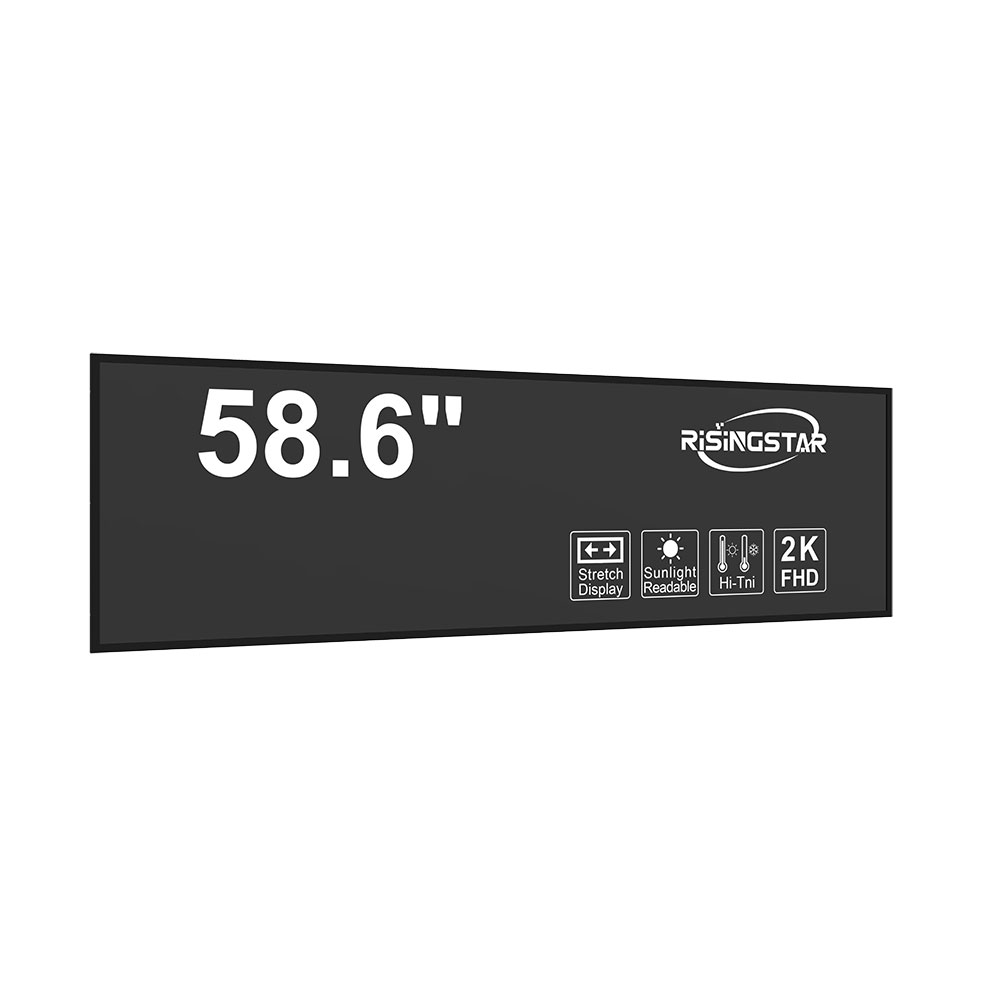
A core innovation in these displays is the use of transflective liquid crystal technology. Transflective panels combine reflective and transmissive modes: they reflect ambient light when external illumination is sufficient (like outdoors), and switch to a backlit mode indoors. This hybrid approach reduces power consumption by up to 40% compared to fully backlit LCDs, making them ideal for battery-powered devices used in field operations. For example, the U.S. Army’s AN/PRC-152 radio uses a transflective display that maintains readability in full sun and consumes minimal power during long-duration missions.
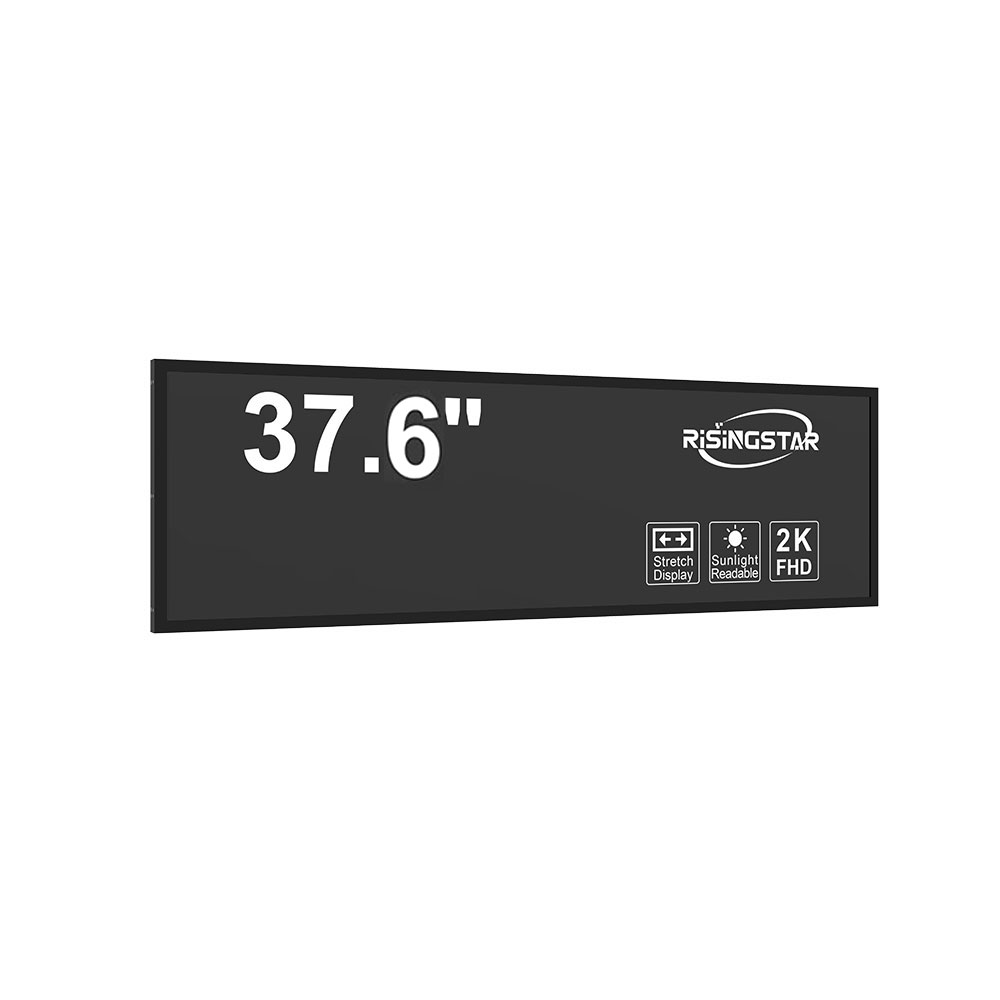
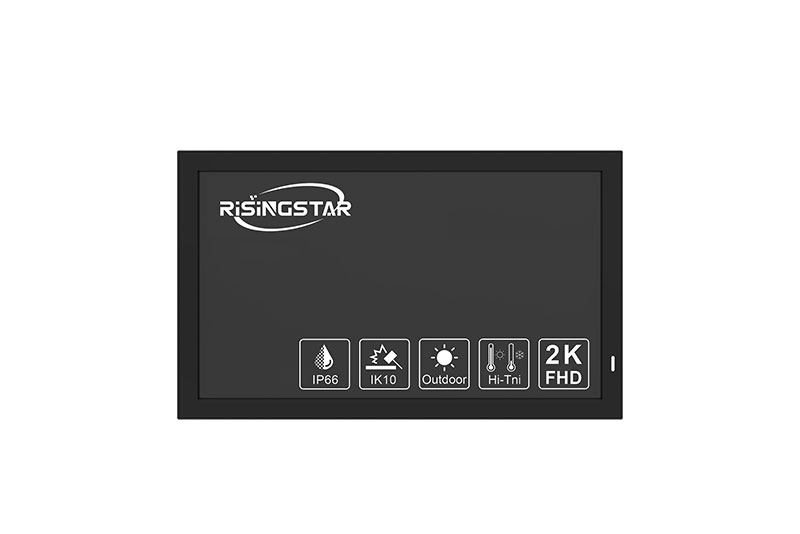
Another crucial factor is anti-glare coatings and polarized filters. These reduce specular reflection—a major cause of visual discomfort—and improve contrast ratios. In fact, studies from the Society for Information Display (SID) show that properly treated surfaces can reduce surface reflectance from 8% to less than 1%, significantly improving legibility in harsh lighting. Additionally, ruggedized housing and sealed bezels protect against dust, water, and mechanical shock, meeting MIL-STD-810G and IP67 standards commonly required in defense and industrial sectors.
Case studies further validate the necessity of high-brightness displays. A 2023 deployment by Siemens in offshore wind turbine control panels revealed a 35% reduction in operator errors after switching to 7,000-nit sunlight-readable LCDs. Similarly, in automotive applications like truck dashboards, manufacturers such as Bosch now specify 5,000-nit displays for enhanced driver safety in direct sunlight exposure.
In conclusion, high-brightness sunlight-readable LCD screens are not just an upgrade—they are a mission-critical requirement in industries demanding operational resilience under challenging conditions. Their integration into next-generation IoT devices, autonomous vehicles, and defense systems underscores their growing importance in global markets. As technology advances, expect further improvements in power efficiency, color accuracy, and durability, driven by innovations in materials science and AI-driven display calibration.