RisingStar
- Home
- About Us
- Products
- News
- Video
- Contact
- Send Inquiry
Search
- Home
- About Us
- Products
- News
- Video
- Contact
- Send Inquiry
RisingStar
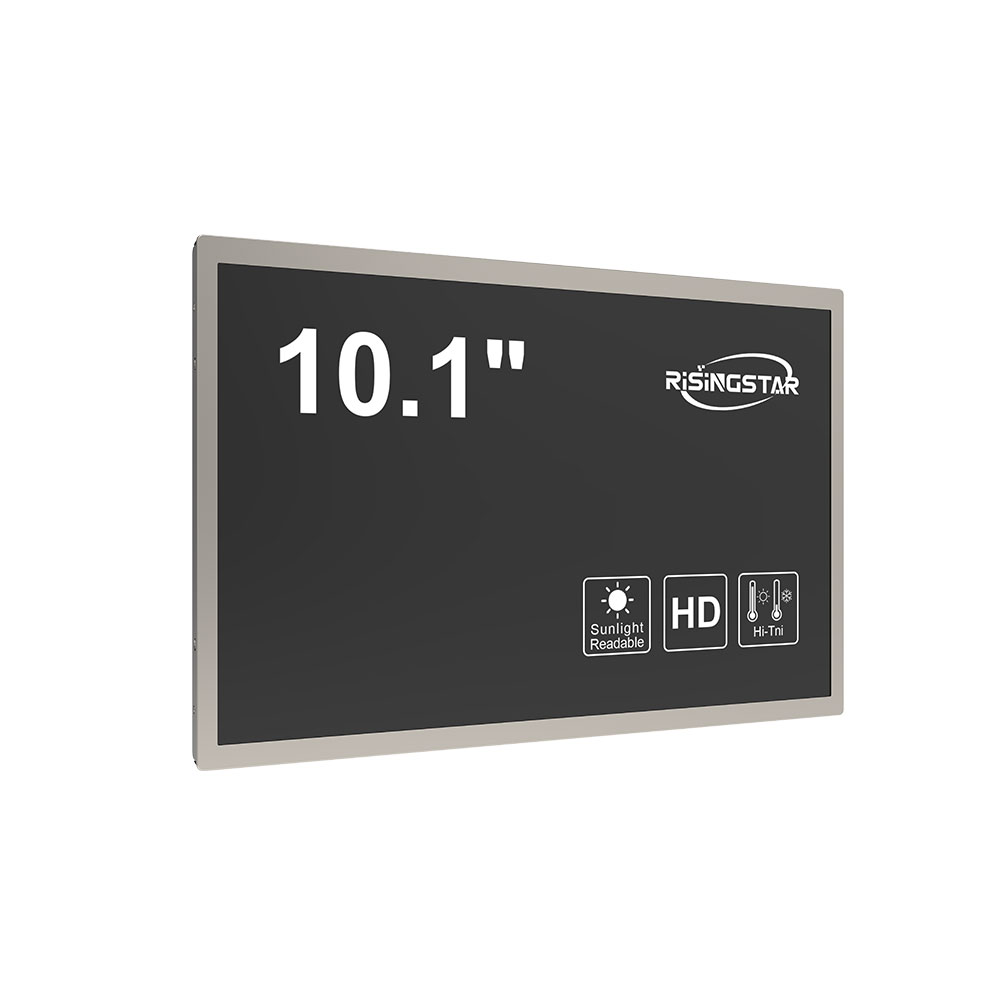
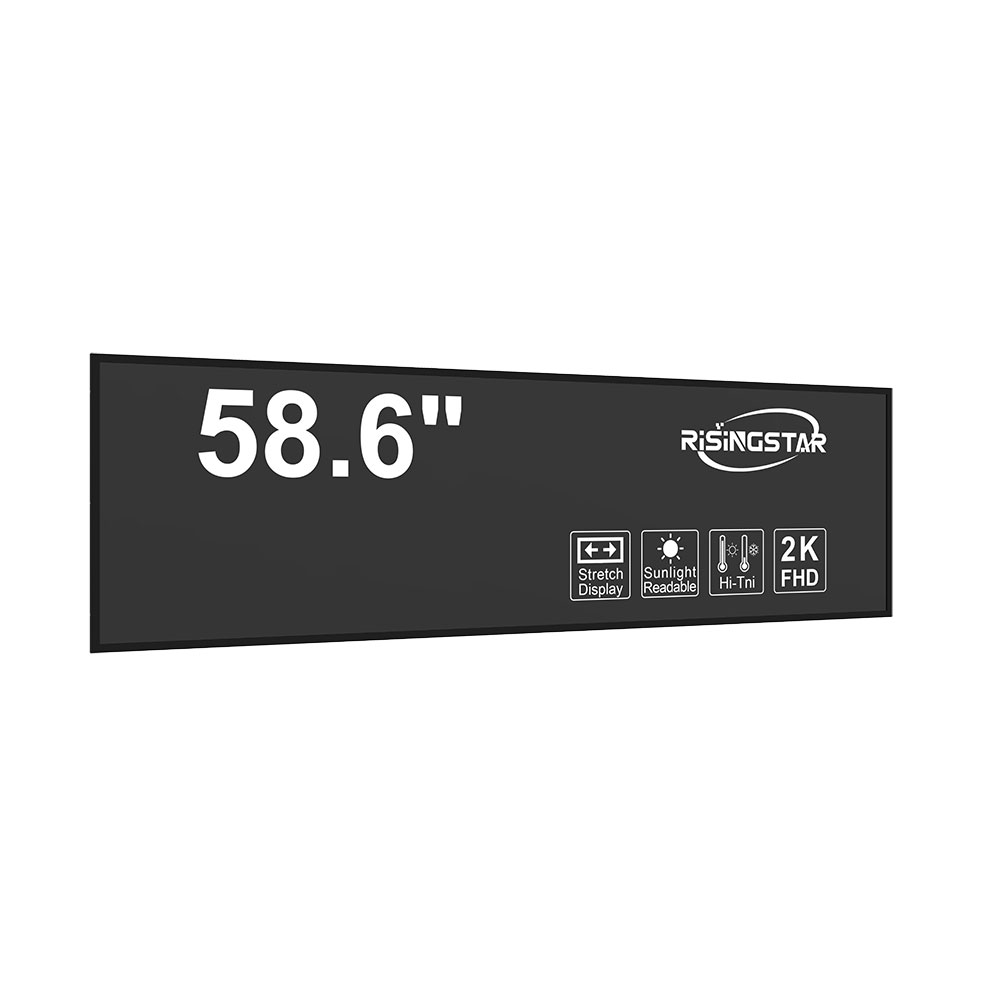
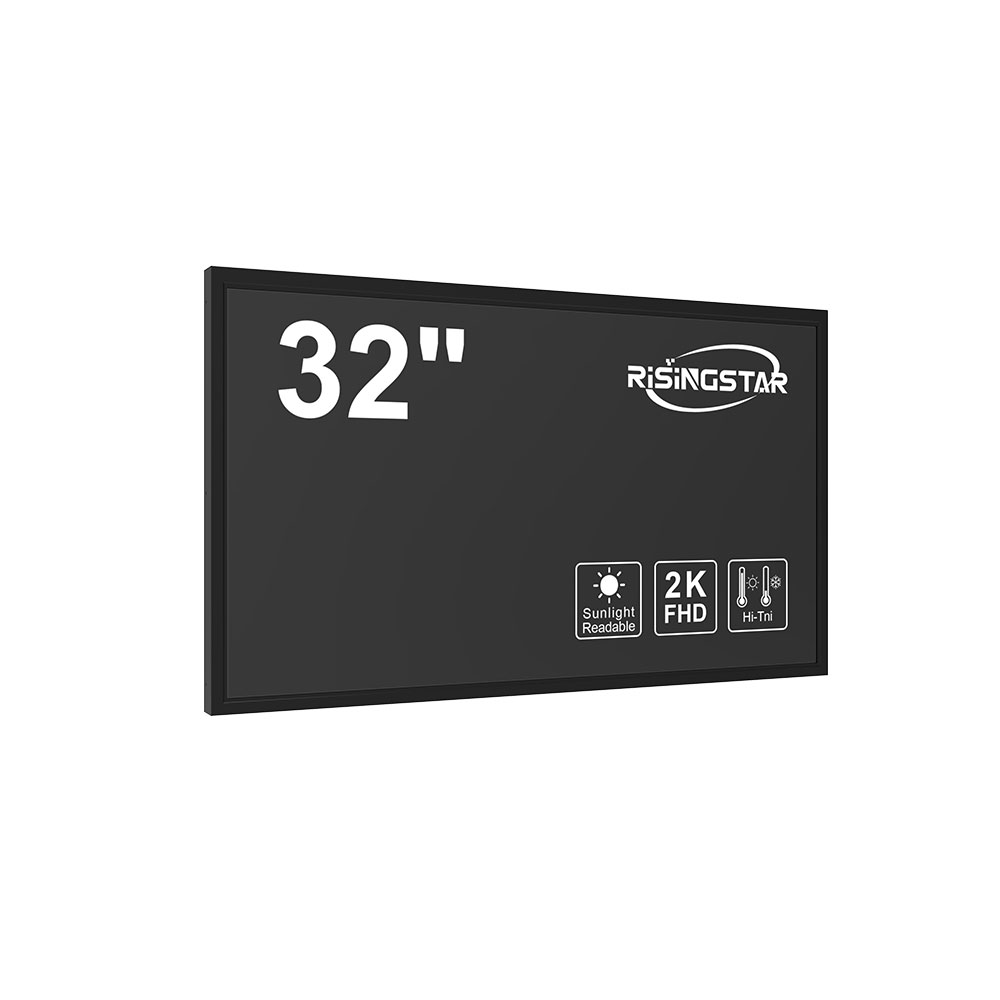
Small outdoor digital signage has emerged as a transformative technology in the fields of advertising, public information dissemination, and smart city infrastructure. Unlike traditional static billboards or posters, small outdoor digital signage leverages high-brightness LCD screens with sunlight-readable capabilities—typically exceeding 5,000 nits—to ensure visibility even under direct sunlight. These compact yet powerful displays are increasingly deployed in retail storefronts, transit hubs, parking lots, and public parks, offering dynamic content that can be updated remotely in real time.
The core advantage of small outdoor digital signage lies in its ability to deliver targeted, context-aware messaging. For instance, a café near a subway station might display morning specials during rush hour and shift to weekend promotions in the afternoon—this level of personalization is only possible with digital solutions. According to a 2023 report by Statista, over 68% of global retailers now use some form of digital signage, with 42% specifically citing improved customer engagement as a key benefit. This trend underscores the growing demand for compact, high-performance displays suitable for urban environments where space is limited but foot traffic is high.
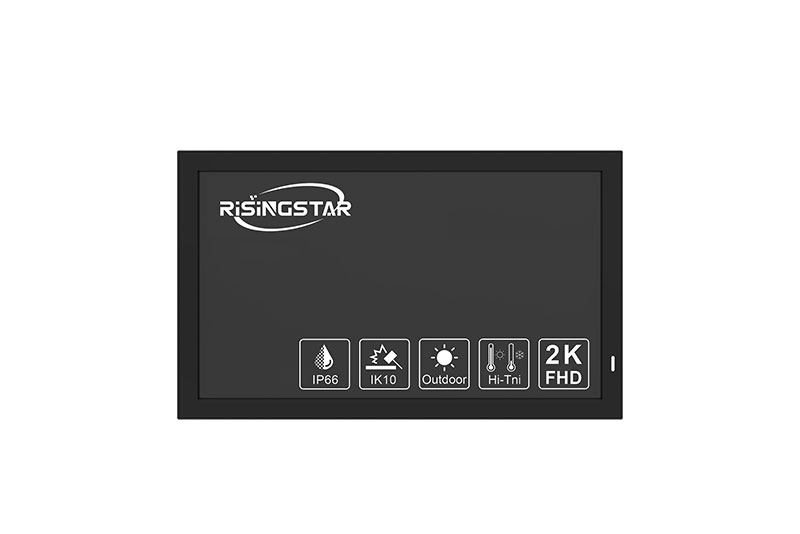
Technically, these signs rely on advanced backlighting systems such as LED arrays with local dimming control, which not only boost brightness but also reduce power consumption—a critical factor for solar-powered installations. Many models incorporate IP65 or higher ratings for dust and water resistance, ensuring durability in harsh weather conditions. Additionally, modern units often feature ruggedized aluminum frames and anti-glare coatings to minimize reflections while maintaining clarity across a wide viewing angle (up to 170°).
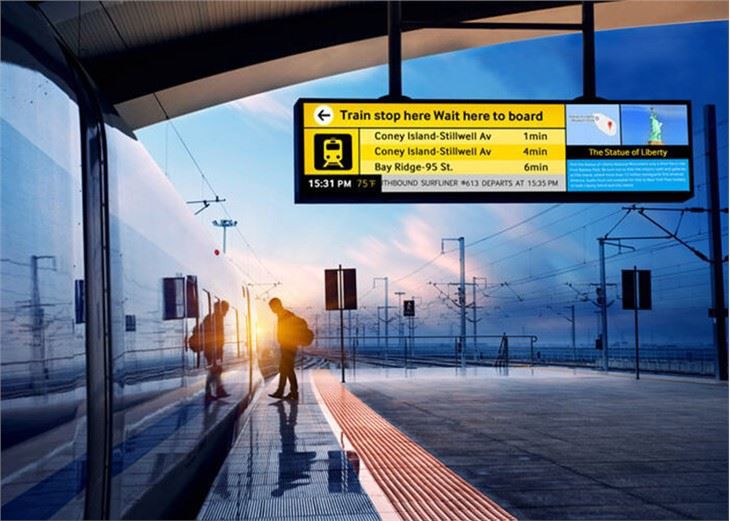
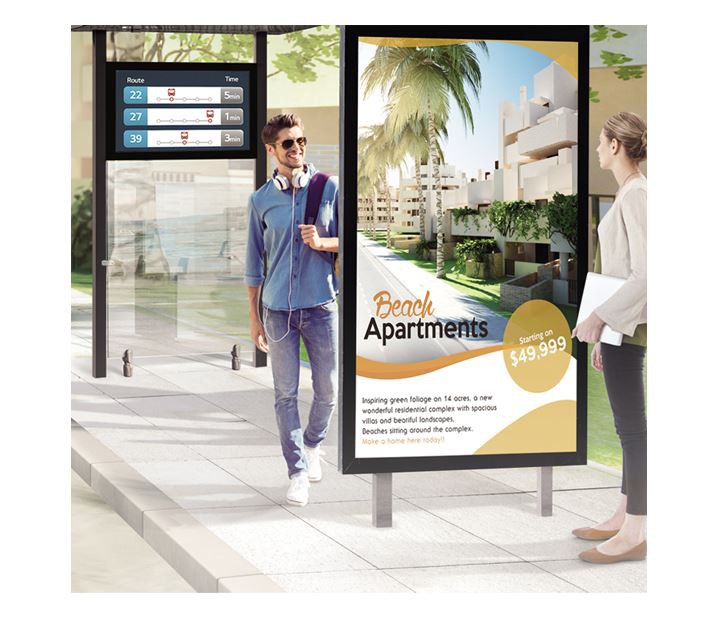
Case studies from cities like Singapore and Copenhagen demonstrate how municipalities have adopted small outdoor digital signage for emergency alerts, traffic updates, and environmental data (e.g., air quality levels). In Singapore’s Orchard Road district, digital signs mounted on bus stops provide real-time transport schedules and localized weather forecasts, significantly improving commuter experience. Similarly, in Copenhagen, municipal authorities use small digital panels to guide pedestrians through bike-sharing stations and highlight nearby green spaces—an initiative aligned with the city’s sustainability goals.
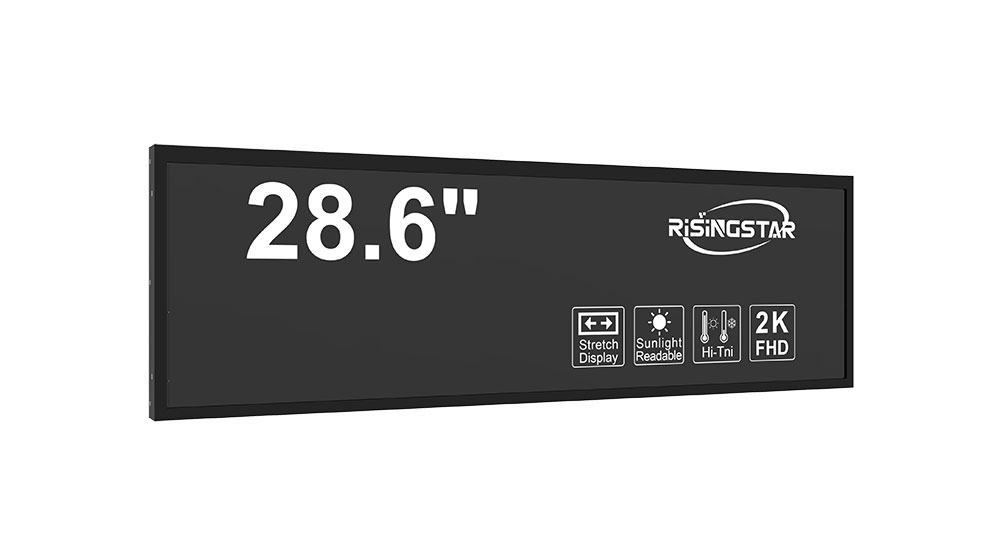
From an economic perspective, small outdoor digital signage offers strong ROI. A study published in the Journal of Marketing Technology (2022) found that businesses using digital signage saw a 30–40% increase in impulse purchases compared to static displays. Furthermore, because content can be managed centrally via cloud-based platforms like BrightSign or Screenly, maintenance costs are reduced and scalability becomes effortless—even for multi-location chains.
In summary, small outdoor digital signage is no longer just a niche solution—it is a mainstream tool for smarter, more responsive communication. As urbanization accelerates and consumer expectations evolve, the integration of sunlight-readable, low-power, and intelligent digital displays will continue to redefine how brands and governments connect with audiences in open-air environments.