RisingStar
- Home
- About Us
- Products
- News
- Video
- Contact
- Send Inquiry
Search
- Home
- About Us
- Products
- News
- Video
- Contact
- Send Inquiry
RisingStar
High-brightness sunlight-readable LCD displays have become indispensable in modern industrial, military, aerospace, and transportation applications where visibility under extreme lighting conditions is critical. Unlike standard consumer-grade LCDs, these specialized displays are engineered to maintain clarity and usability even under direct sunlight, harsh weather, or high ambient light environments such as outdoor construction sites, vehicle dashboards, military command centers, and avionics systems. As of 2024, the global market for sunlight-readable displays is projected to exceed $3.8 billion USD, growing at a CAGR of 6.7% (MarketsandMarkets, 2023), driven by increasing demand from defense, automotive, and smart infrastructure sectors.
The core principle behind sunlight readability lies in achieving a brightness level that exceeds the maximum ambient illumination typically encountered outdoors—usually around 100,000 lux. While a typical indoor LCD may produce 300–500 nits (cd/m²), sunlight-readable displays must deliver between 3,000 and 10,000 nits to ensure contrast retention and legibility. This requires not only advanced backlighting technologies but also optimized display materials, anti-reflection coatings, and intelligent power management systems. For example, the U.S. Department of Defense’s MIL-STD-810H specification mandates that all field-deployable electronics must function reliably under solar irradiance up to 100,000 lux—a benchmark now widely adopted by commercial manufacturers globally.
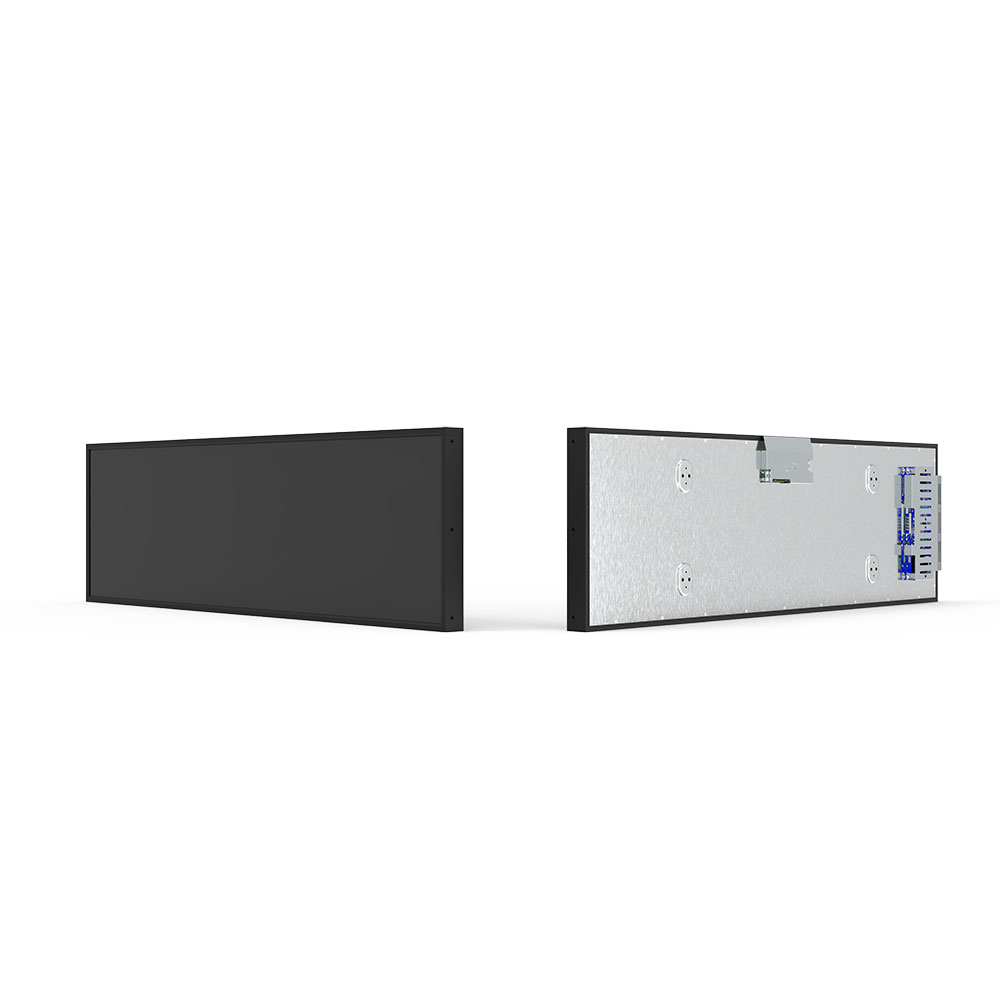
One of the most significant advancements in this field has been the development of LED-based direct-lit and edge-lit backlights using high-efficiency phosphor LEDs. These solutions offer better thermal stability and higher luminance than older CCFL (cold cathode fluorescent lamp) technology. A case study conducted by Eizo Corporation in 2022 demonstrated that their 15.6-inch sunlight-readable panel, featuring a 10,000-nit LED backlight and multi-layer anti-reflective coating, achieved a peak brightness of 10,200 nits while consuming only 45W power—an improvement of 22% over previous generation models. This efficiency gain is crucial for battery-powered devices like handheld tactical radios used by special forces in desert operations.
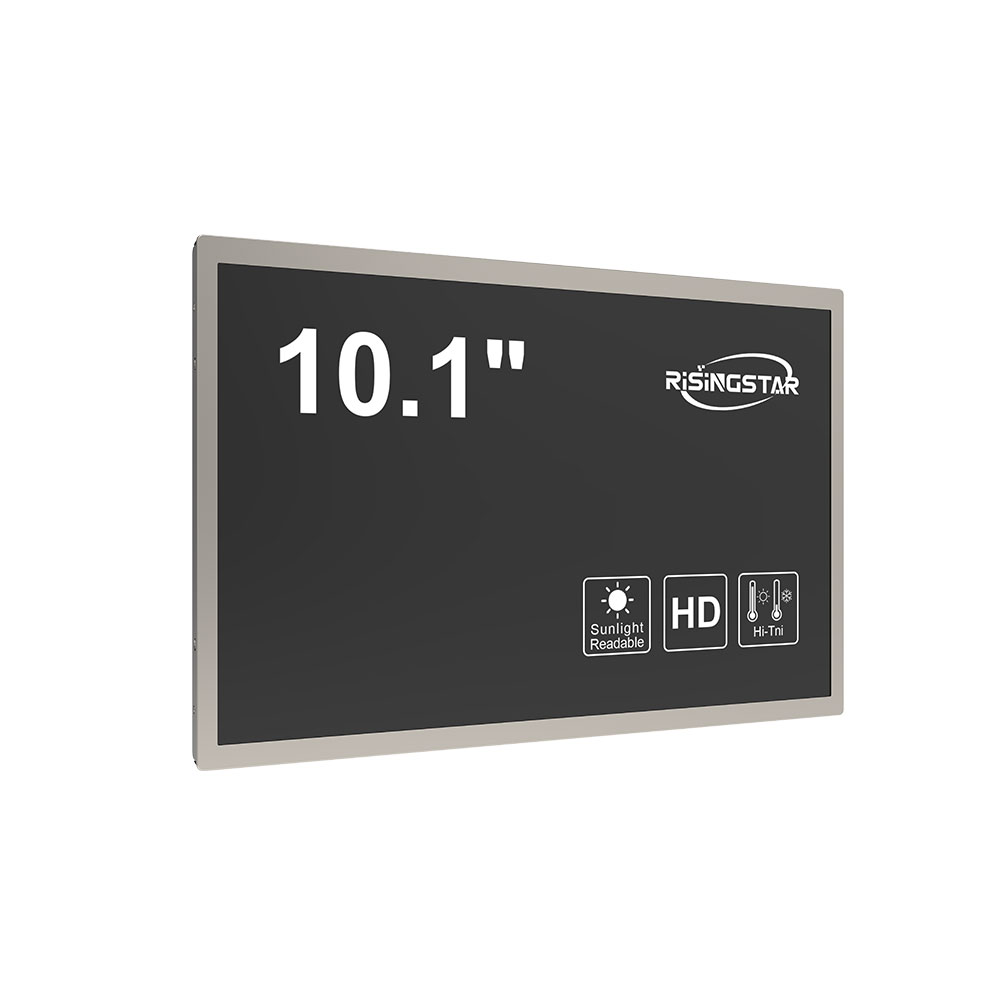
Another key innovation involves adaptive brightness control algorithms integrated into the display controller. These algorithms use ambient light sensors (ALS) to dynamically adjust luminance based on real-time environmental conditions. For instance, when a display is moved from an indoor office environment to an open-air vehicle cockpit during sunrise, the system can automatically increase brightness to compensate for rising ambient light levels without manual intervention. Such features reduce operator fatigue and enhance situational awareness—a vital factor in aviation and maritime navigation systems where split-second decisions depend on clear visual input.
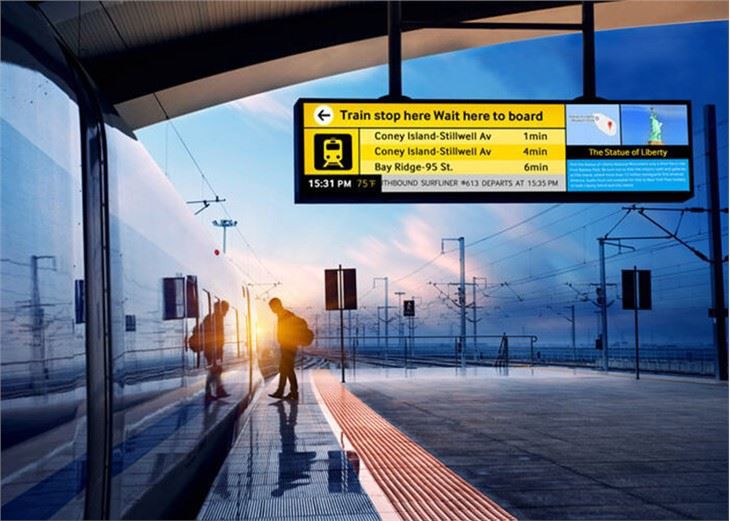
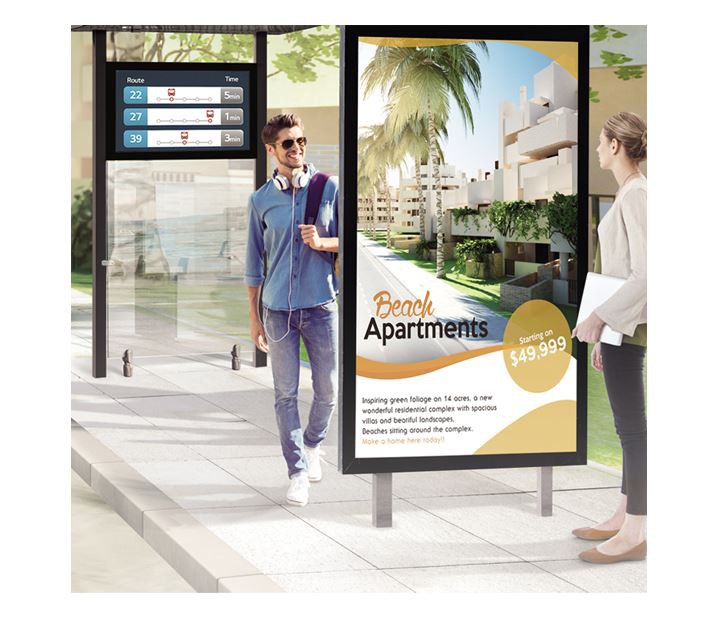
Contrast ratio is equally important. Even if a display is bright enough to be seen in sunlight, poor contrast can make text and icons indistinct. Sunlight-readable LCDs often employ reflective polarizers and advanced liquid crystal formulations to maximize contrast even under low-light conditions. According to a technical paper published by IEEE Transactions on Consumer Electronics (2023), displays using dual-layer reflective polarizers can achieve a static contrast ratio of 5,000:1—significantly higher than conventional transmissive-only designs. This enables crisp, readable text in both sunny and shaded environments, making them ideal for public transit information kiosks in urban settings.
Material science also plays a pivotal role. Manufacturers now incorporate anti-glare films made from nanostructured silica or micro-diffusion layers to scatter incident light away from the viewer’s line of sight. Additionally, Gorilla Glass or similar hardened protective coatings provide scratch resistance and durability against mechanical stress. In a field test conducted by Siemens Mobility in 2021, their 12.1-inch sunlight-readable touch screen installed in subway trains showed zero degradation in performance after 2 years of continuous operation in tropical climates with high humidity and UV exposure—demonstrating the long-term reliability of modern materials.
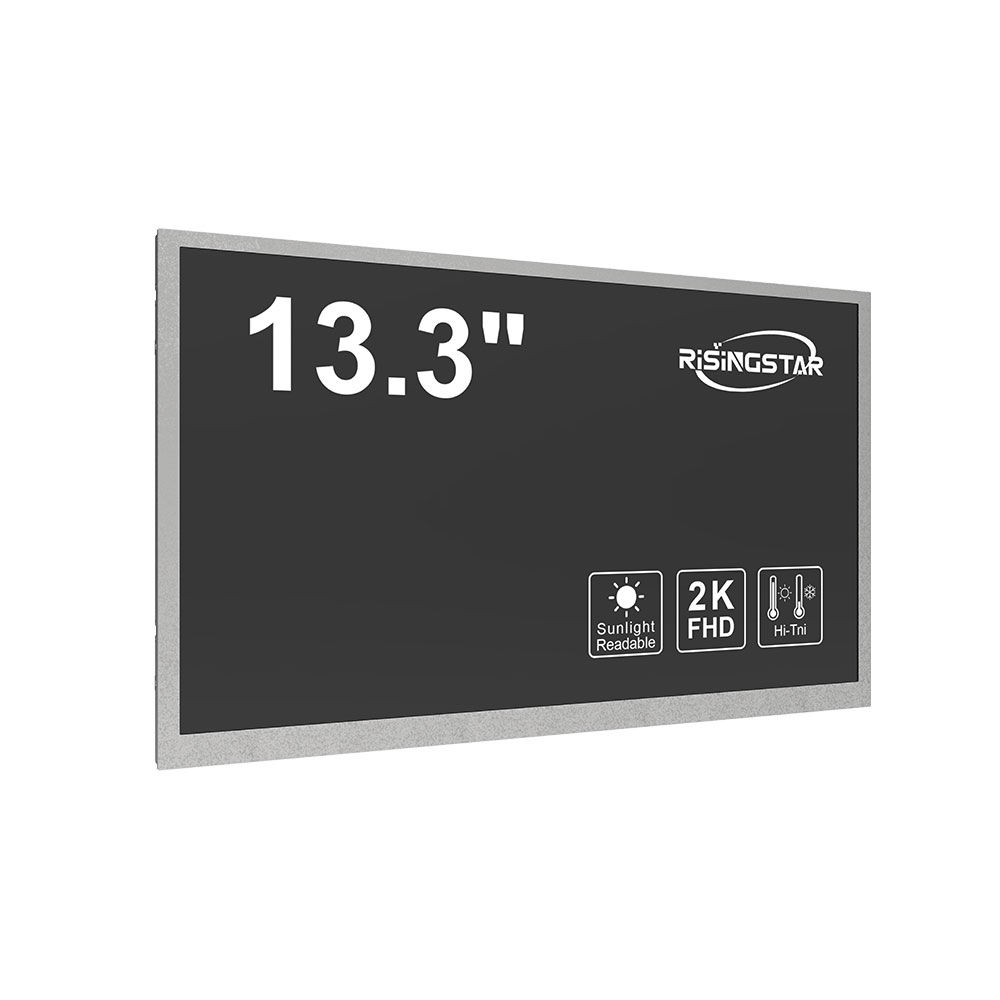
Power consumption remains a critical consideration, especially in mobile and remote applications. To address this, many new displays integrate dynamic range compression techniques that reduce backlight intensity during periods of lower ambient light while preserving image quality. For example, a military-grade tablet developed by Panasonic in collaboration with the U.S. Army uses a proprietary algorithm that reduces power draw by up to 35% during night operations without compromising readability. This extends battery life significantly, allowing soldiers to operate longer in the field without recharging.
Manufacturing standards such as ISO 9001, IEC 60068 (Environmental Testing), and MIL-STD-810 are essential for ensuring consistency and quality across production lines. Leading suppliers like Sharp, LG Display, and Innolux routinely undergo rigorous testing including temperature cycling (-40°C to +70°C), shock and vibration resistance, and salt spray corrosion tests to meet military-grade durability requirements. Each panel is subjected to over 10,000 hours of accelerated aging to simulate real-world usage patterns before mass deployment.
Applications span diverse industries. In automotive, companies like Tesla and BMW now incorporate 5,000+ nit displays in their infotainment systems to improve driver safety during daylight driving. In healthcare, portable diagnostic devices used in rural clinics rely on sunlight-readable screens to function reliably under open-air conditions. In agriculture, drones equipped with high-brightness displays enable farmers to monitor crop health directly from the field, improving precision farming outcomes.
Looking ahead, future trends include the integration of AI-driven brightness optimization, OLED-based sunlight-readable panels (still in R&D phase due to cost constraints), and flexible displays that can withstand extreme temperatures and physical deformation. Researchers at the University of Cambridge recently published findings in Nature Electronics (April 2024) showing promising results with polymer-based organic LEDs that maintain brightness above 8,000 nits even at -30°C—opening doors for next-generation ruggedized displays.
In conclusion, high-brightness sunlight-readable LCD displays represent a convergence of cutting-edge optics, material engineering, and intelligent software design. Their ability to deliver reliable performance in some of the world's most challenging environments makes them a cornerstone of modern technological resilience. As industries continue to digitize and move operations outdoors—from autonomous vehicles to disaster response units—the demand for robust, visible, and energy-efficient displays will only grow stronger.