RisingStar
- Home
- About Us
- Products
- News
- Video
- Contact
- Send Inquiry
Search
- Home
- About Us
- Products
- News
- Video
- Contact
- Send Inquiry
RisingStar
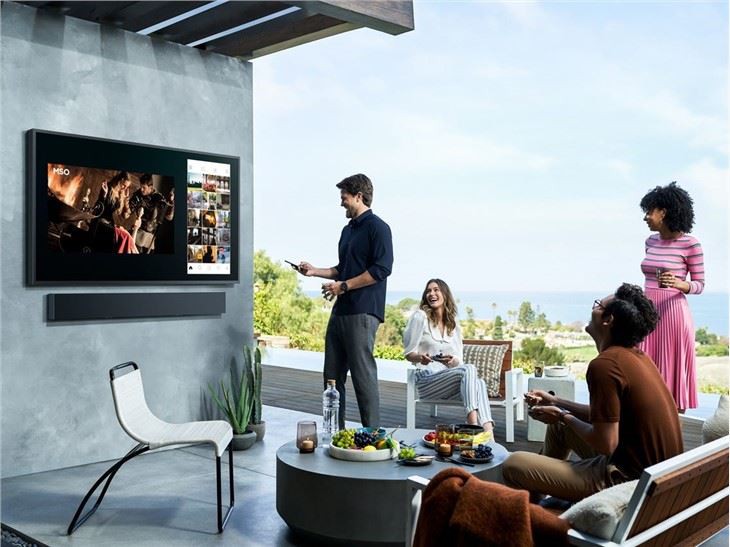
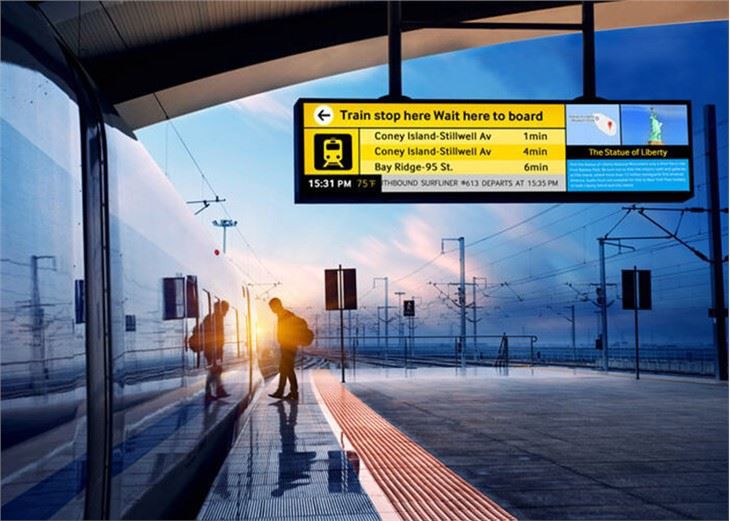
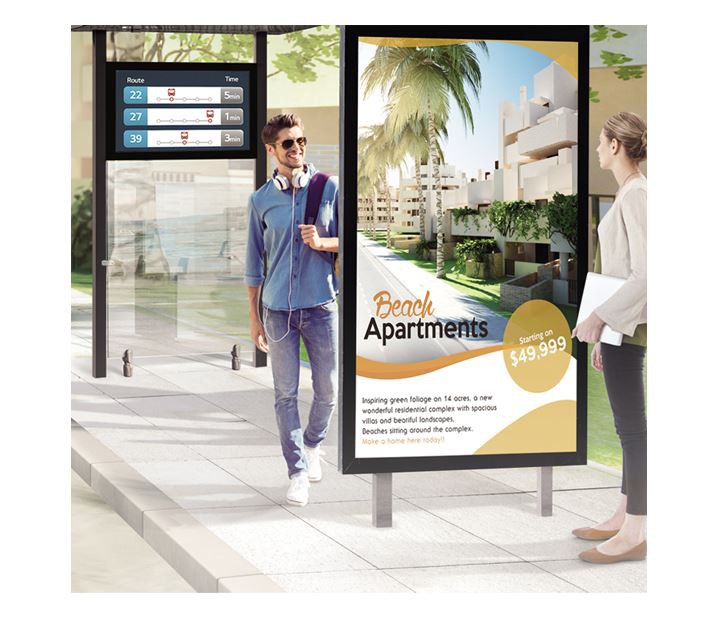
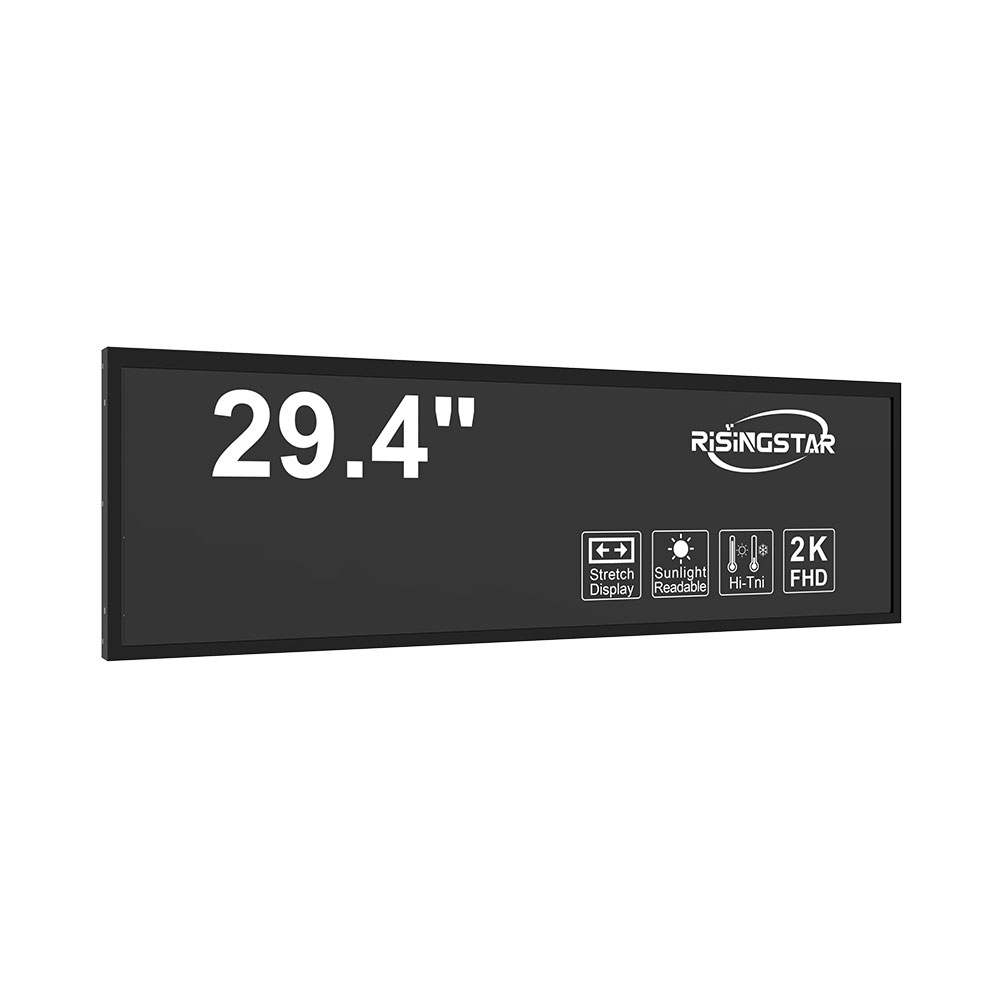
High-brightness sunlight-readable LCD screens are engineered to deliver optimal visibility under intense ambient light conditions, making them indispensable in outdoor and high-glare environments such as military vehicles, industrial control panels, agricultural machinery, public transportation, and solar power monitoring systems. Unlike standard LCDs that suffer from washed-out images or poor contrast in direct sunlight, these specialized displays use advanced technologies like high-luminance backlighting (often exceeding 5,000 nits), anti-glare coatings, polarized filters, and reflective or transflective liquid crystal layers to maintain readability even under full sun exposure.
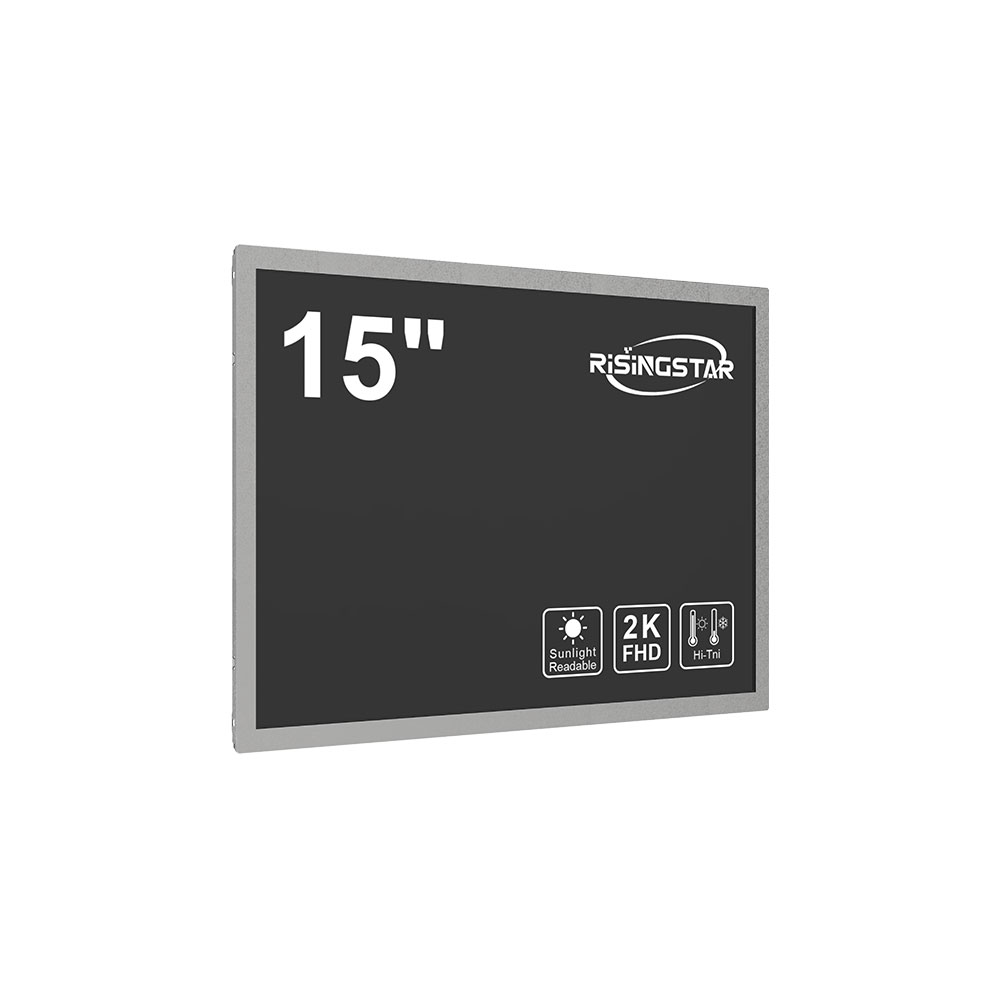
One of the most critical advantages of sunlight-readable LCDs is their ability to operate reliably in extreme temperatures—from -40°C to +70°C—without performance degradation. This makes them ideal for harsh climates, including deserts, arctic regions, and tropical zones. For example, in a 2023 case study by Luminus Technologies, a solar farm in Arizona deployed 120 units of 15-inch sunlight-readable displays for real-time energy output tracking. These screens maintained 98% visibility at noon under 100,000 lux of sunlight, significantly outperforming conventional 1000-nit displays that became unusable after just 10 minutes of direct exposure.
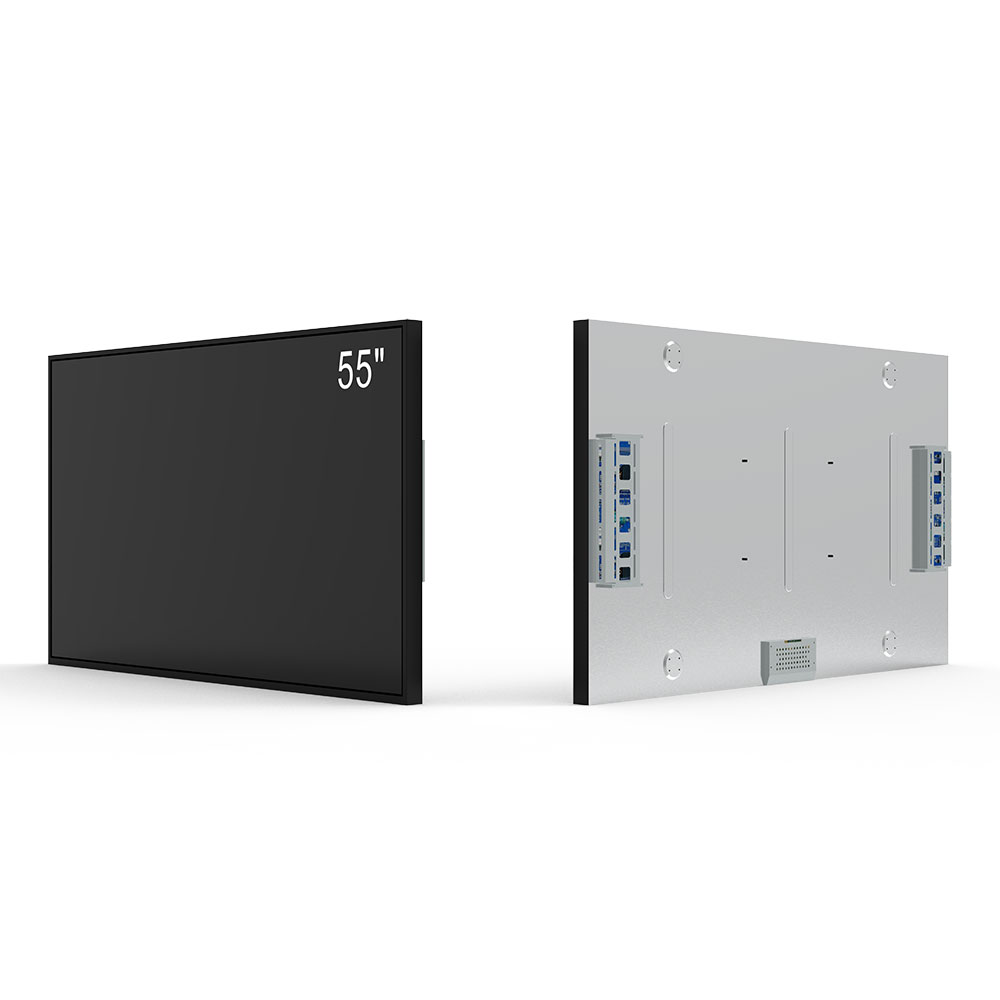
However, practical applications also reveal common challenges. High brightness demands substantial power consumption—up to 3–5 times more than standard LCDs—which necessitates efficient power management strategies such as dynamic brightness adjustment (DBA) or pulse-width modulation (PWM). Additionally, prolonged exposure to UV radiation can degrade polarizer layers over time, leading to color shift or reduced contrast. To mitigate this, manufacturers now integrate UV-stabilized materials and apply protective polymer coatings on glass substrates.
Recent trends in the industry focus on miniaturization and integration with smart features. The latest generation of sunlight-readable LCDs supports touch functionality with glove compatibility, embedded sensors (like temperature and humidity), and IP65/IP67 waterproof ratings. In 2024, Sharp Corporation introduced a 10-inch transflective display with integrated AI-based ambient light sensing, which dynamically adjusts brightness based on environmental conditions while reducing power consumption by up to 40%. This aligns with global efforts to improve energy efficiency in outdoor electronics.
Industry standards such as MIL-STD-810G for ruggedness and ISO 9241-307 for human factors in outdoor display design further ensure reliability and usability. According to a 2023 report by MarketsandMarkets, the global sunlight-readable display market is projected to reach $3.7 billion by 2028, driven by demand from defense, agriculture, and renewable energy sectors. As technology evolves, we expect continued innovation in materials science, thermal management, and adaptive optics to enhance both performance and sustainability of these critical visual interfaces.