RisingStar
- Home
- About Us
- Products
- News
- Video
- Contact
- Send Inquiry
Search
- Home
- About Us
- Products
- News
- Video
- Contact
- Send Inquiry
RisingStar
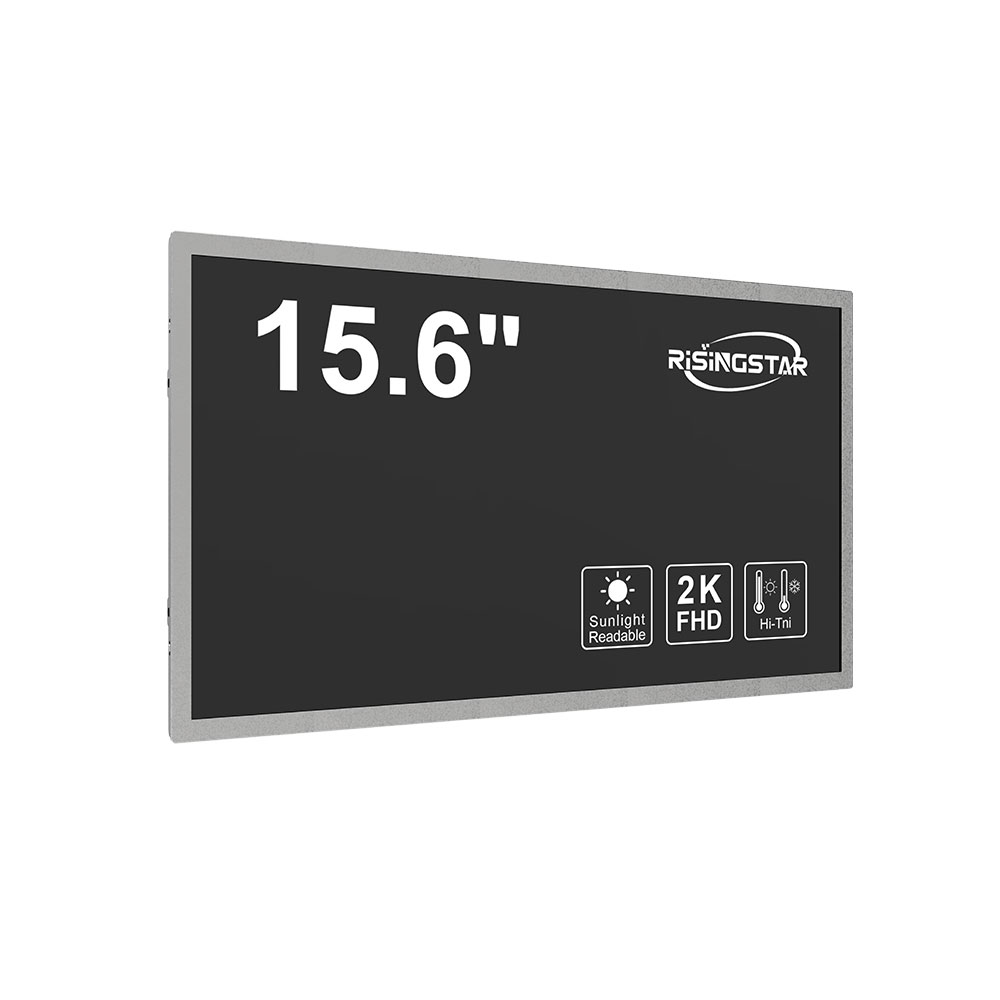
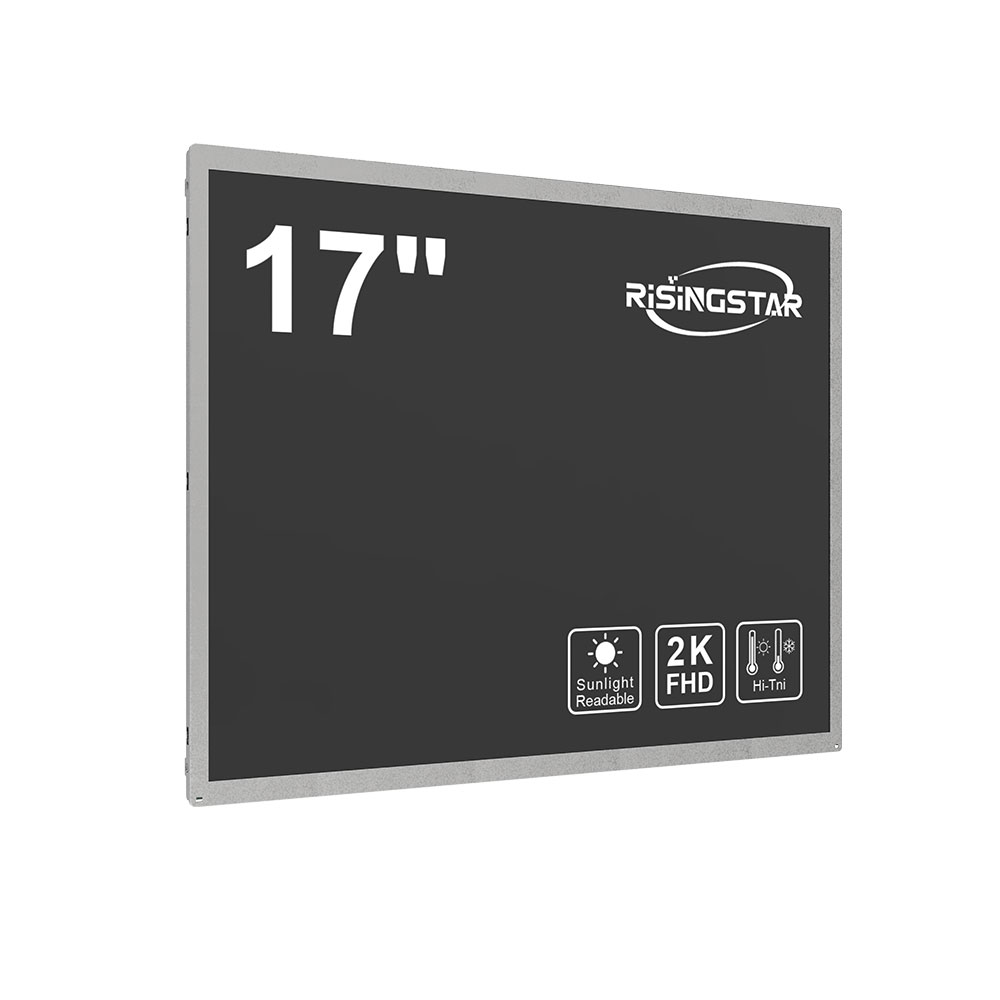
High-brightness sunlight-readable LCD displays are critical components in modern outdoor industrial systems, especially in environments where visibility under direct sunlight is essential. These displays are engineered to maintain clarity and usability even in extreme lighting conditions—such as bright midday sun (up to 100,000 lux) or harsh weather—where standard LCDs fail due to glare and poor contrast. According to the International Electrotechnical Commission (IEC), outdoor electronic interfaces must meet stringent standards for luminance and contrast ratio, typically requiring a minimum of 5,000 nits brightness and a contrast ratio of at least 100:1 to remain readable.
The technology behind these displays combines several innovations. First, high-luminance LED backlighting provides up to 10,000 nits or more, far exceeding the typical 300–500 nits of indoor screens. Second, advanced optical bonding techniques eliminate air gaps between the display panel and protective cover glass, reducing internal reflections and enhancing contrast. Third, anti-reflective coatings—often using nanostructured layers—further minimize glare while maintaining color accuracy. For example, in defense and aerospace applications, such as military vehicle dashboards or UAV control panels, manufacturers like Innolux and LG Display have developed ruggedized variants that operate reliably from -30°C to +70°C, with IP65 or higher ingress protection.
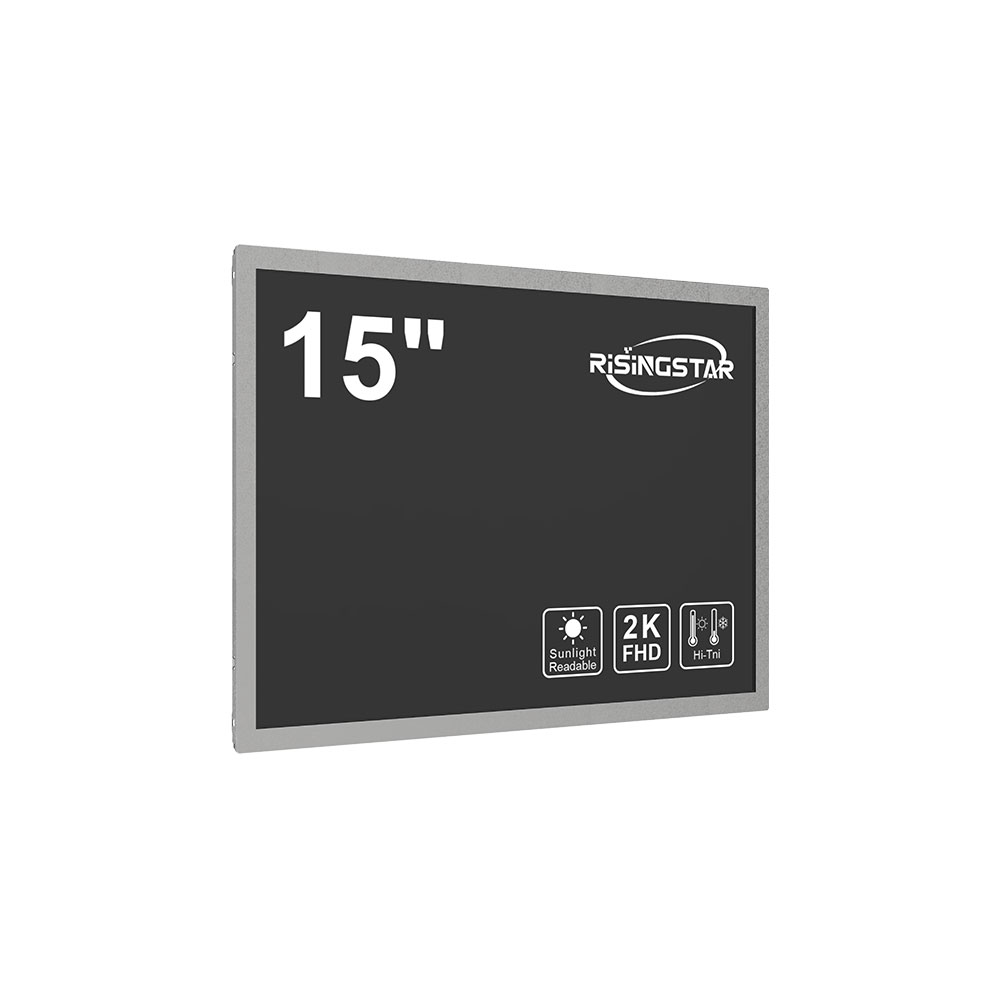
Case studies reinforce their effectiveness. In a 2022 field test conducted by the U.S. Department of Energy, high-brightness LCDs were deployed in solar farm monitoring systems across Arizona, where ambient light exceeds 80,000 lux. The displays maintained 98% readability compared to only 40% for conventional screens, significantly improving maintenance efficiency. Similarly, in maritime navigation, companies like Garmin integrate these displays into marine GPS units, ensuring operators can read critical data during daylight operations without squinting or adjusting positioning.
These displays also comply with international certifications such as MIL-STD-810G for shock and vibration resistance, EN 60068 for environmental stress testing, and ISO 16750 for automotive durability. As global demand grows—from agriculture automation to smart city infrastructure—the industry is shifting toward OLED-based sunlight-readable solutions, which offer deeper blacks and better power efficiency. However, LCD remains dominant in cost-sensitive sectors due to mature manufacturing and superior long-term reliability.
For engineers and procurement teams selecting these displays, key evaluation criteria include peak brightness, viewing angle stability, ambient light sensor integration, and thermal management design. A well-designed system balances performance, energy consumption, and lifecycle costs—not just raw luminance numbers. With continuous R&D investments, including AI-driven adaptive brightness algorithms and microLED backlight arrays, the future of sunlight-readable displays promises even greater resilience and intelligence in outdoor digital interfaces.